
Fashion & Culture
25 November 2026
Cardi B Just Made History in Toronto, and Nigerian Designers Were Part of the Moment
A historic Billboard Canada honour puts Nigerian fashion in the spotlight.
More than fashion. The story behind the faces.
Globe Tales Daily Network · 26 November 2026

AI-generated editorial illustration · fictional model
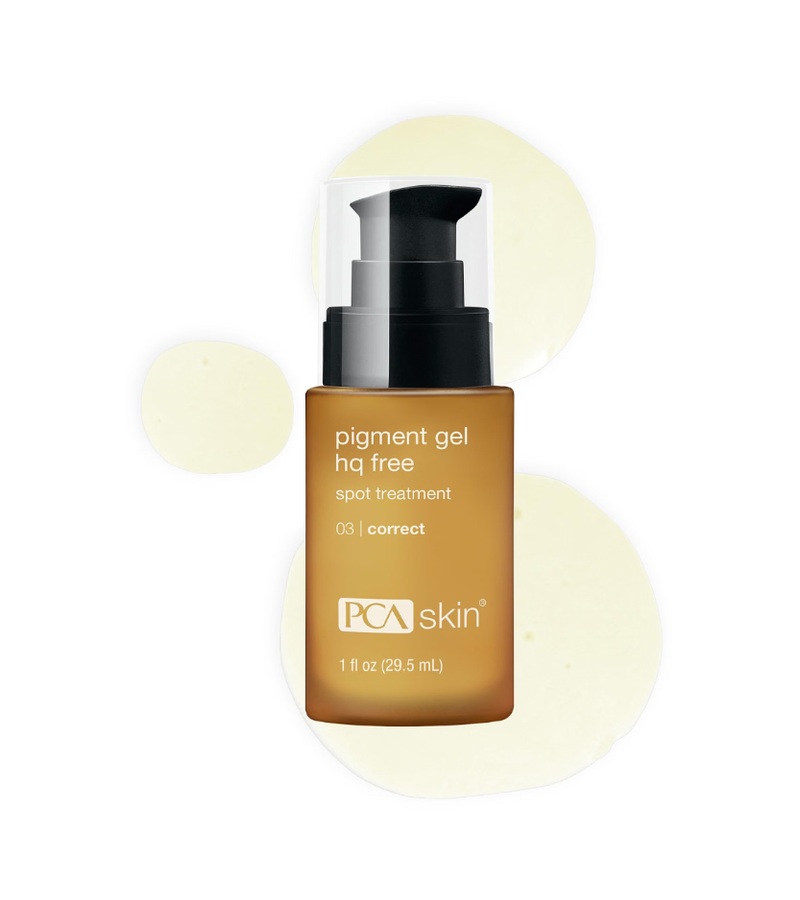
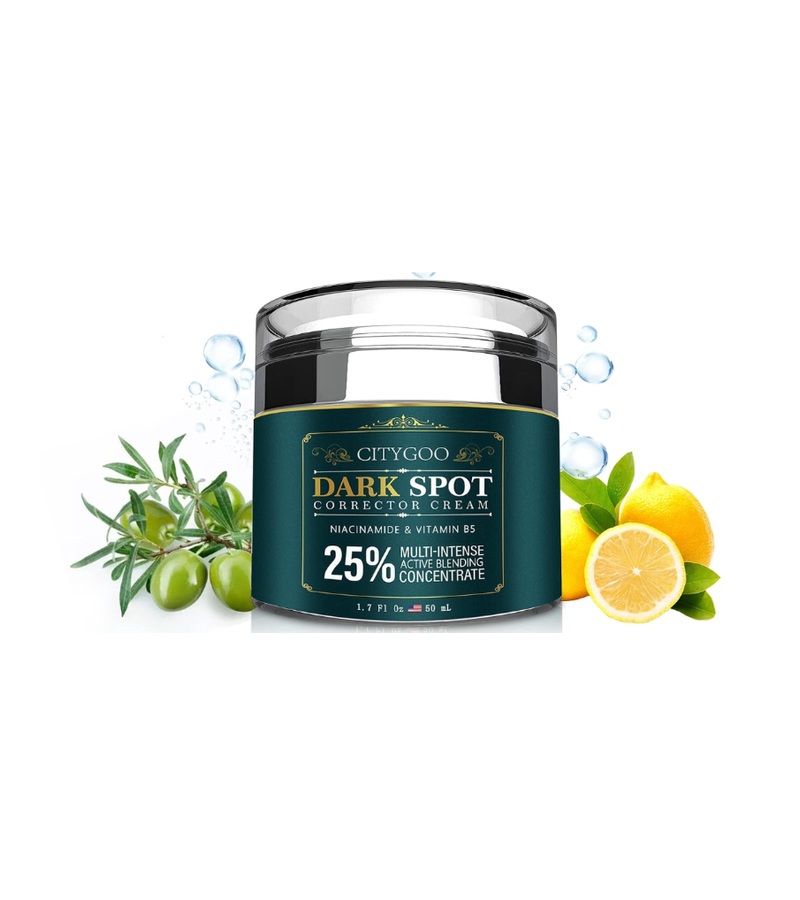
Have you been struggling with dark spots? Trust me, you're not alone. Marks left by breakouts, irritation and sun exposure can linger. PEOPLE consulted Los Angeles celebrity estheticians Biba de Sousa and Joshua Ross for its guide to dark spot correctors. Here are the ingredients worth knowing, alongside advice from dermatologists.
As an Amazon Associate, we earn from qualifying purchases. Check each Amazon listing for the current ingredients, directions and pricing.
Dark spot correctors aren't magic potions. A good routine targets excess pigmentation while protecting your skin barrier. Finding and addressing the cause of discoloration is important, too.
This antioxidant can help brighten uneven tone. Look for a well-formulated vitamin C product, and introduce it gradually if your skin is sensitive.
Retinoids encourage skin cell turnover and can help improve pigmentation. Tretinoin is a prescription treatment, while retinol is available over the counter. Start gently and consult a dermatologist about the right option for your skin. Irritation can trigger more dark spots, particularly in deeper skin tones. Avoid retinoids during pregnancy.
Chemical exfoliants such as glycolic acid can help improve uneven tone by removing surface dead skin cells. Salicylic acid may be useful for acne-prone skin. Avoid over-exfoliation or combining multiple strong actives at once; introduce products slowly and follow their directions.
Topical tranexamic acid is a promising ingredient for some forms of hyperpigmentation, especially melasma. Results vary. Seek professional guidance for persistent pigmentation and do not self-medicate with oral tranexamic acid.

AI-generated editorial illustration · fictional model
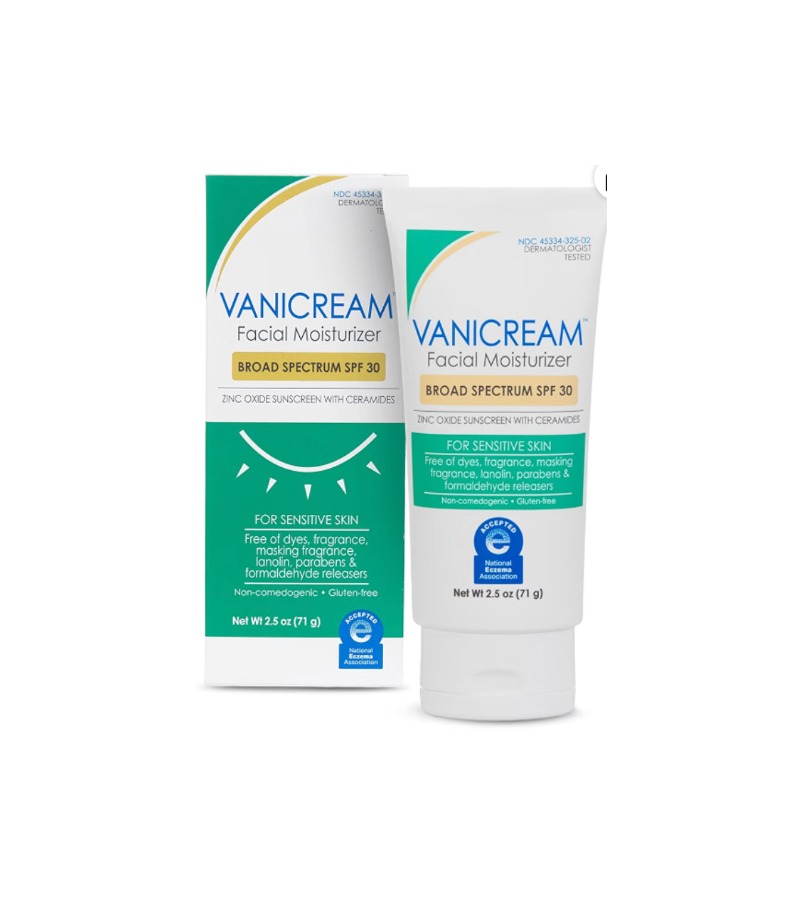
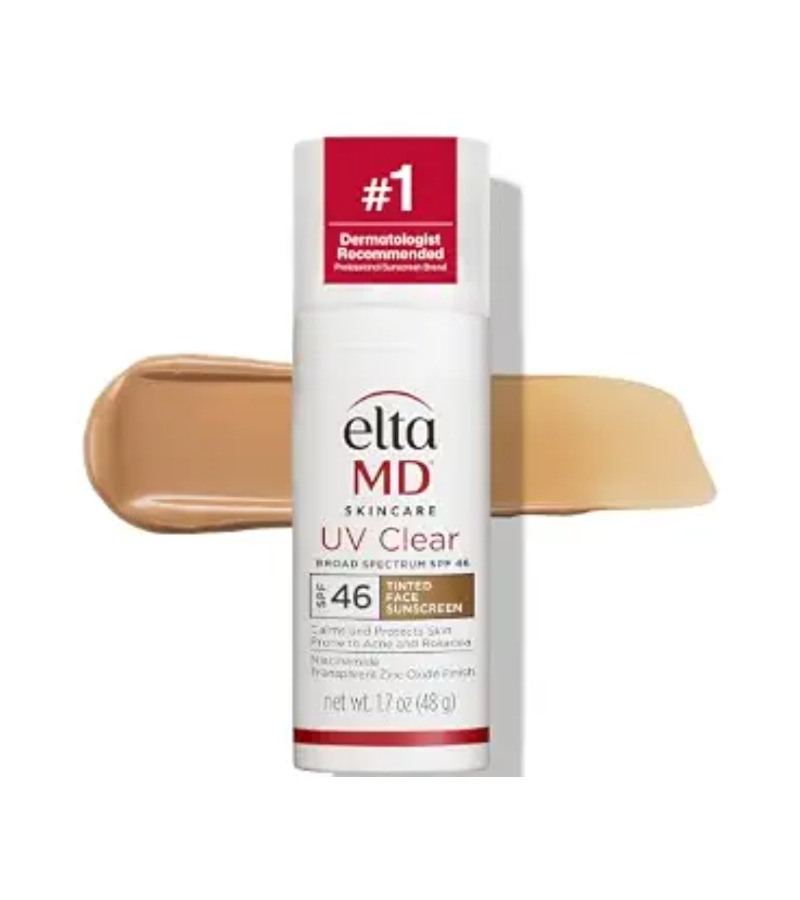
Daily broad-spectrum, water-resistant SPF 30 or higher is an essential step. Tinted sunscreen containing iron oxides can offer additional protection from visible light, which may contribute to pigmentation. Retinoids and certain exfoliating acids can increase sun sensitivity. Vitamin C is an antioxidant, and sunscreen remains essential when using it.
Think of SPF as your insurance policy. Reapply when outdoors according to the label, seek shade and choose a formula you enjoy wearing consistently.
PEOPLE's review evaluated products over 12 weeks. Some improvement may appear within weeks, but fading varies by the cause and depth of pigmentation. Dermatology guidance notes that many superficial spots can take 6–12 months to fade after the cause is addressed.
Your routine can be simple:
Use retinoids at night according to your clinician's or product's instructions. Seek a dermatologist's advice for changing, unexplained or persistent spots.
Even skin tone takes patience, and healthy skin comes in every shade.
Choose a broad-spectrum SPF 30 or higher that blends comfortably with your complexion. Tinted options can help minimise a visible cast; untinted mineral formulas may leave a white residue, so test the finish on your skin.
As an Amazon Associate, we earn from qualifying purchases. Prices and ratings shown are listing snapshots from 26 November 2026, in USD. Prices, availability, ratings, shipping and taxes may change; check Amazon for current details.
A historic Billboard Canada honour puts Nigerian fashion in the spotlight.

How personal style becomes a language of its own.

The presence, technique and personality behind the catwalk.